
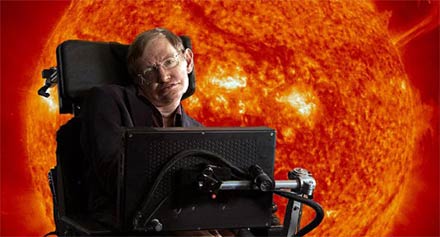
'ദൈവകണം' പ്രപഞ്ചത്തെ ഉന്മൂലനം ചെയ്തേക്കാമെന്ന് സ്റ്റീഫന് ഹോക്കിങ് '
ലണ്ടന്:
ഹിഗ്ഗ്സ് ബോസോണിന് പ്രപഞ്ചത്തെ ഉന്മൂലനം ചെയ്യാന് ശേഷിയുണ്ടെന്ന്
മുന്നറിയിപ്പ്. 2012-ല് കണ്ടുപിടിച്ച 'ദൈവകണ'മെന്ന് അപരനാമമുള്ള ഈ മൗലിക
കണങ്ങളെ അത്യുന്നത ഊര്ജനിലയിലേക്കെത്തിച്ചാല്, പ്രപഞ്ചം അപ്പാടെ ഉന്മൂലനം
ചെയ്യപ്പെടാന് സാധ്യതയുണ്ടെന്ന് വിഖ്യാത ശാസ്ത്രജ്ഞന് സ്റ്റീഫന്
ഹോക്കിങ്ങാണ് മുന്നറിയിപ്പ് നല്കിയത്.
അസാധാരണമായ ഉന്നത ഊര്ജനിലയിലേക്ക് ഉയര്ത്തിയാല് 'വാക്വം ഡീക്കേ' എന്ന വിനാശകാരിയായ പ്രതിഭാസത്തിന് ഹിഗ്ഗ്സ് ബോസോണ് തിരികൊളുത്തിയേക്കാമെന്ന്, കേംബ്രിജിലെ മുന് ലൂക്കാസിയന് പ്രൊഫസറായ ഹോക്കിങ് ചൂണ്ടിക്കാട്ടി. 'പ്രകാശവേഗത്തില് വികസിക്കുന്ന ശൂന്യസ്ഥലം (വാക്വം) ആണ് വാക്വം ഡീക്കേ വഴി സൃഷ്ടിക്കപ്പെടുക. പ്രപഞ്ചം ക്ഷണനേരംകൊണ്ട് ഉന്മൂലനം ചെയ്യപ്പെടാന് ഇതിടയാക്കും. അത് വരുന്നത് നമ്മള് അറിയുകയേ ഇല്ല' ഹോക്കിങ് പറയുന്നു.
എന്നാല്, ഹിഗ്ഗ്സ് ബോസോണ് കണ്ടുപിടിക്കപ്പെട്ട ഉപകരണമായ ജനീവയിലെ ലാര്ജ് ഹാഡ്രോണ് കൊളൈഡറില് സാധ്യമായ ഊര്ജനില ഒരു അപകടവും വരുത്തില്ലെന്നും ഹോക്കിങ് പറയുന്നു. ഊര്ജനില 10,000 കോടി ഗിഗാ ഇലക്ട്രോണ്വോള്ട്ട് സാധ്യമായ ഒരു കണികാത്വരകത്തില് (പാര്ട്ടിക്കിള് ആക്സിലേറ്റര് ) മാത്രമേ 'വാക്വം ഡീക്കേ' പോലുള്ള പ്രതിഭാസം പ്രതീക്ഷിക്കാനാകൂ. അതിന് ഭൂമിയെക്കാള് വലിയ കണികാത്വരകം വേണ്ടിവരും. 'നിലവിലെ സാമ്പത്തിക പരിസ്ഥിതിയില് അത്തരമൊന്നുണ്ടാവാന് സാധ്യമില്ലല്ലോ' ഹോക്കിങ് ചൂണ്ടിക്കാട്ടുന്നു.
യൂറോപ്യന് കണികാപരീക്ഷണശാലയായ 'സേണ്' ജനീവയില് ഭൂമിക്കടിയില് സ്ഥാപിച്ചിട്ടുള്ള ലാര്ജ് ഹാഡ്രോണ് കൊളൈഡറിന്റെ ചുറ്റളവ് വെറും 27 കിലോമീറ്റര് മാത്രമാണ്. ഹോക്കിങ് ഭയപ്പെടുന്ന സ്ഥതിവിശേഷം ഒരു കാരണവശാലും ജനീവയിലെ കണികാപരീക്ഷണത്തില് ഉണ്ടാകില്ലെന്ന് വിദഗ്ധര് ചൂണ്ടിക്കാട്ടി.
അടുത്ത മാസം പുറത്തുവരാന് പോകുന്ന 'സ്റ്റാര്മസ്' എന്ന ഗ്രന്ഥത്തിന്റെ മുഖവുരയിലാണ്, ഹിഗ്ഗ്സ് ബോസോണിനെക്കുറിച്ചുള്ള തന്റെ ആശങ്കകള് ഹോക്കിങ് രേഖപ്പെടുത്തിയത്. ലോകപ്രശസ്ത കണികാശാസ്ത്രജ്ഞരുടെയും പ്രപഞ്ചഘടനാ ശാസ്ത്രജ്ഞരുടെയും പ്രഭാഷണങ്ങളുടെ സമാഹാരമാണ് ആ ഗ്രന്ഥം.
അസാധാരണമായ ഉന്നത ഊര്ജനിലയിലേക്ക് ഉയര്ത്തിയാല് 'വാക്വം ഡീക്കേ' എന്ന വിനാശകാരിയായ പ്രതിഭാസത്തിന് ഹിഗ്ഗ്സ് ബോസോണ് തിരികൊളുത്തിയേക്കാമെന്ന്, കേംബ്രിജിലെ മുന് ലൂക്കാസിയന് പ്രൊഫസറായ ഹോക്കിങ് ചൂണ്ടിക്കാട്ടി. 'പ്രകാശവേഗത്തില് വികസിക്കുന്ന ശൂന്യസ്ഥലം (വാക്വം) ആണ് വാക്വം ഡീക്കേ വഴി സൃഷ്ടിക്കപ്പെടുക. പ്രപഞ്ചം ക്ഷണനേരംകൊണ്ട് ഉന്മൂലനം ചെയ്യപ്പെടാന് ഇതിടയാക്കും. അത് വരുന്നത് നമ്മള് അറിയുകയേ ഇല്ല' ഹോക്കിങ് പറയുന്നു.
എന്നാല്, ഹിഗ്ഗ്സ് ബോസോണ് കണ്ടുപിടിക്കപ്പെട്ട ഉപകരണമായ ജനീവയിലെ ലാര്ജ് ഹാഡ്രോണ് കൊളൈഡറില് സാധ്യമായ ഊര്ജനില ഒരു അപകടവും വരുത്തില്ലെന്നും ഹോക്കിങ് പറയുന്നു. ഊര്ജനില 10,000 കോടി ഗിഗാ ഇലക്ട്രോണ്വോള്ട്ട് സാധ്യമായ ഒരു കണികാത്വരകത്തില് (പാര്ട്ടിക്കിള് ആക്സിലേറ്റര് ) മാത്രമേ 'വാക്വം ഡീക്കേ' പോലുള്ള പ്രതിഭാസം പ്രതീക്ഷിക്കാനാകൂ. അതിന് ഭൂമിയെക്കാള് വലിയ കണികാത്വരകം വേണ്ടിവരും. 'നിലവിലെ സാമ്പത്തിക പരിസ്ഥിതിയില് അത്തരമൊന്നുണ്ടാവാന് സാധ്യമില്ലല്ലോ' ഹോക്കിങ് ചൂണ്ടിക്കാട്ടുന്നു.
യൂറോപ്യന് കണികാപരീക്ഷണശാലയായ 'സേണ്' ജനീവയില് ഭൂമിക്കടിയില് സ്ഥാപിച്ചിട്ടുള്ള ലാര്ജ് ഹാഡ്രോണ് കൊളൈഡറിന്റെ ചുറ്റളവ് വെറും 27 കിലോമീറ്റര് മാത്രമാണ്. ഹോക്കിങ് ഭയപ്പെടുന്ന സ്ഥതിവിശേഷം ഒരു കാരണവശാലും ജനീവയിലെ കണികാപരീക്ഷണത്തില് ഉണ്ടാകില്ലെന്ന് വിദഗ്ധര് ചൂണ്ടിക്കാട്ടി.
അടുത്ത മാസം പുറത്തുവരാന് പോകുന്ന 'സ്റ്റാര്മസ്' എന്ന ഗ്രന്ഥത്തിന്റെ മുഖവുരയിലാണ്, ഹിഗ്ഗ്സ് ബോസോണിനെക്കുറിച്ചുള്ള തന്റെ ആശങ്കകള് ഹോക്കിങ് രേഖപ്പെടുത്തിയത്. ലോകപ്രശസ്ത കണികാശാസ്ത്രജ്ഞരുടെയും പ്രപഞ്ചഘടനാ ശാസ്ത്രജ്ഞരുടെയും പ്രഭാഷണങ്ങളുടെ സമാഹാരമാണ് ആ ഗ്രന്ഥം.
ഹിഗ്ഗ്സ് ബോസോണ് എന്നാല്
പ്രപഞ്ചത്തിന്റെ മൗലികഘടന വിശദീകരിക്കുന്ന സൈദ്ധാന്തിക പദ്ധതിയായ 'സ്റ്റാന്ഡേര്ഡ് മോഡല്' അനുസരിച്ച്, സൂക്ഷ്മതലത്തില് പദാര്ഥകണങ്ങള്ക്ക് ദ്രവ്യമാനം അഥവാ പിണ്ഡം ലഭിക്കുന്നത് 'ഹിഗ്ഗ്സ് സംവിധാനം' അനുസരിച്ചാണ്. ഹിഗ്ഗ്സ് സംവിധാനം അനുസരിച്ച് ക്വാര്ക്കുകള്, ഇലക്ട്രോണുകള് തുടങ്ങിയ പദാര്ഥകണങ്ങള്ക്ക് ദ്രവ്യമാനം ലഭിക്കുന്നത് അവ അദൃശ്യമായ ഹിഗ്ഗ്സ് മണ്ഡലവുമായി ഇടപഴകുമ്പോഴാണ്.
പ്രപഞ്ചാരംഭത്തില് മഹാവിസ്ഫോടനം സംഭവിച്ച ആദ്യസെക്കന്ഡിന്റെ നൂറുകോടിയിലൊരംശം സമയത്തേക്ക് പ്രപഞ്ചം പ്രകാശവേഗത്തില് പായുന്ന വ്യത്യസ്തകണങ്ങള് കൂടിക്കുഴഞ്ഞ അവസ്ഥയിലായിരുന്നു. ഒന്നിനും ദ്രവ്യമാനം ഉണ്ടായിരുന്നില്ല. ഹിഗ്ഗ്സ് മണ്ഡലവുമായി ആ കണങ്ങള് ഇടപഴകിയതോടെയാണ് അവയ്ക്ക് ദ്രവ്യമാനം ഉണ്ടായത് ഹിഗ്ഗ്സ് മണ്ഡലവുമായി ഇടപഴകാന് കഴിയുന്നവയ്ക്കേ ദ്രവ്യമാനമുണ്ടാകൂ. എത്ര കൂടുതല് ഇടപഴകുന്നോ അത്രയും കൂടുതലായിരിക്കും ദ്രവ്യമാനം. പ്രകാശകണങ്ങളായ ഫോട്ടോണുകള് ഹിഗ്ഗ്സ് ഫീല്ഡുമായി അല്പവും ഇടപഴകാത്തതിനാല് അവയ്ക്ക് ദ്രവ്യമാനമില്ല. അവ പ്രകാശവേഗത്തില് സഞ്ചരിക്കുന്നു.
================
Photosynthesis: Researchers observe protein quake
Date:August 27, 2014
Source:Technical University of Denmark (DTU)
Summary: One of nature’s
mysteries is how plants survive impact by the huge amounts of energy
contained in the sun’s rays, while using this energy for photosynthesis.
The hypothesis is that the light-absorbing proteins in the plant’s
blades quickly dissipate the energy throughout the entire protein
molecule through so-called protein quakes. Researchers have now managed
to successfully ‘film’ this process.

One of nature's mysteries
is how plants survive impact by the huge amounts of energy contained in
the sun's rays, while using this energy for photosynthesis.
Credit: © Dmitry Perov / Fotolia
===================================
സുവര്ണജീവികളുടെ ഗണത്തിലേക്ക് ഒരു വവ്വാല് കൂടി
തെക്കേയമേരിക്കയില് ബൊളീവിയയില് മാത്രം കാണപ്പെടുന്ന
സുവര്ണനിറത്തിലുള്ള വവ്വാല് പുതിയൊരു സ്പീഷീസാണെന്ന് കണ്ടെത്തല്.
ഇതോടെ, ഭൂമുഖത്തെ സുവര്ണജീവികളുടെ ഗണത്തിലേക്ക് വവ്വാലുകളും എത്തി.
തെക്കേയമേരിക്കയില്
കാണപ്പെടുന്ന 'മയോറ്റിസ് സിമുസ്' ( Myotis simus ) എന്ന വവ്വാല്
വര്ഗത്തിലാണ് ഇതുവരെ സുവര്ണവവ്വാലുകളെയും ഉള്പെടുത്തിയിരുന്നത്.
എന്നാല്, ഈ ജീവികള് 'മയോറ്റിസ് മിഡസ്റ്റാക്ടസ്' ( Myotis midastactus )
എന്ന പുതിയ സ്പീഷീസിലാണ് പെടുന്നതെന്ന് ഗവേഷകര് പറയുന്നു.
ബ്രസീലിയന്
വന്യജീവി ഗവേഷകനായ റിക്കാര്ഡോ മൊറാട്ടെല്ലിയുടെ നേതൃത്വത്തില് നടന്ന
പഠനത്തിലാണ്, സുവര്ണവവ്വാല് പുതിയ ഇനമാണെന്ന് കണ്ടെത്തിയത്.
മ്യൂസിയങ്ങളില് സൂക്ഷിച്ചിട്ടുള്ള സ്പെസിമനുകള് പരിശോധിച്ചായിരുന്നു
പഠനം.
ഈ വവ്വാലിന്റെ ഏറ്റവും വലിയ സവിശേഷത അതിന്റെ സുര്വണനിറം
തന്നെയാണ്. എലിച്ചെവിയുള്ള വവ്വാലുകളുടെ കുടുംബമായ 'മയോറ്റിസി'ലാണ്
ഇതുള്പ്പെടുന്നത്. ലോകത്താകമാനം ഈ കുടുംബത്തില്പെട്ട നൂറോളം ഇനം
വവ്വാലുകളെ കണ്ടെത്തിയിട്ടുണ്ട്.
ബൊളീവിയയിലെ സാവന്ന മേഖലയിലാണ്
സുവര്ണവവ്വാലുകള് ജീവിക്കുന്നത്. ചെറുപ്രാണികളെ തിന്ന് ജീവിക്കുന്ന ഇവ,
പകല്നേരത്ത് മാളങ്ങളിലും മരങ്ങളുടെ പൊത്തുകളിലും മേല്ക്കൂരകള്ക്ക്
കീഴിലും കഴിയുന്നു.
ബ്രസീലിലെ റിയോ ഡി ജനീറോയില് 'ഒസ്വാല്ഡോ
ക്രൂസ് ഫൗണ്ടേഷനി'ലെ ഡോ.മൊറാട്ടെല്ലിക്കൊപ്പം, വാഷിങ്ടണില്
സ്മിത്സോണിയന് ഇന്സ്റ്റിട്ട്യൂഷനിലെ ഡോ.ഡോണ് വില്സണും ചേര്ന്നാണ്
പുതിയ സ്പീഷീസിനെ വിശദീകരിച്ചത്. പുതിയ ലക്കം 'ജേര്ണല് ഓഫ് മാമലോളജി'യില് അത് പ്രസിദ്ധീകരിച്ചിട്ടുണ്ട്.
അമേരിക്കയിലും
ബ്രസീലിലുമുള്ള മ്യൂസിയങ്ങളില് സൂക്ഷിച്ചിട്ടുള്ള 27 സ്പെസിമനുകള്
വിശകലനം ചെയ്തായിരുന്നു പഠനം. ഡോ. മൊറാട്ടെല്ലി വിശദീകരിക്കുന്ന
അഞ്ചാമത്തെ വവ്വാലിനമാണിത്.
സുവര്ണവവ്വാല്. ചിത്രം കടപ്പാട് : Dr. Marco Tschapka
കൂടുതല് സുവര്ണജീവികളെപ്പറ്റി അറിയണ്ടെ ?
സുവര്ണ തവള

(സുവര്ണ തവള. കടപ്പാട് : Wikipedia)
കോസ്റ്റാറിക്കയിലെ
മോന്റെവെര്ഡെ മേഖലയില് വെറും പത്ത് ചതുരശ്രകിലോമീറ്റര് വനപ്രദേശത്ത്
മാത്രം കണ്ടിരുന്ന വിശിഷ്ടമായ ഒരു ജീവിവര്ഗമാണ് 'സുവര്ണ തവള' ( Golden
Toad - Bufo periglenes ). ഇന്ന് ഈ ജീവിവര്ഗം ഭൂമിയില്
അവശേഷിക്കുന്നില്ല.
1989 ലാണ് ഈ ജീവിയെ ഏറ്റവുമൊടുവില്
കണ്ടതായി രേഖപ്പെടുത്തിയിട്ടുള്ളത്. ആഗോളതാപനത്തിന്റെ ഫലമായി ആ വനമേഖലയിലെ
ഈര്പ്പത്തിലുണ്ടായ കുറവാണ് സുവര്ണ തവളയുടെ അന്ത്യംകുറിച്ചതെന്ന്
കരുതുന്നു. ആഗോളതാപനത്തിന്റെ ഫലമായി ഭൂമുഖത്തുനിന്ന് അപ്രത്യക്ഷമായ
ആദ്യജീവിയാണ് സുവര്ണ തവള. (കടപ്പാട് : നാഷണല് ജ്യോഗ്രഫിക്)
സ്വര്ണമത്സ്യം

ശുദ്ധജലത്തിലും
കടല്വെള്ളത്തിലും കഴിയുന്ന ഒട്ടേറെ മത്സ്യങ്ങള്ക്ക് സ്വര്ണനിറമുണ്ട്.
എങ്കിലും, അലങ്കാരമത്സ്യമായി ഉപയോഗിക്കുന്ന സ്വര്ണമത്സ്യത്തെ ( Goldfish -
Carassius auratus auratus ) ആണ് കുടുതലാള്ക്കും പരിചിതം.
ശുദ്ധജല
മത്സ്യമായ 'ഗോള്ഡന് ഡൊറാദോ' ( golden dorado ), കടല്വെള്ളത്തില്
ജീവിക്കുന്ന 'മഹി-മഹി' ( mahi-mahi (Coryphaena hippurus)) ഒക്കെ
സ്വര്ണനിറമുള്ള മത്സ്യങ്ങളാണ്.
സുവര്ണവണ്ടുകള്

കോസ്റ്റാ
റിക്കയില് കാണപ്പെടുന്ന സുവര്ണവണ്ടുകള് ( Jewel Scarabs ) ക്രിസിയാന (
Chrysina ) ജനസില്പെടുന്ന ജീവികളാണ്. വണ്ടിന്റെ പുറംപാളിയിലെ അടരുകളുടെ
സവിശഷ ക്രമീകരണം വഴിയാണ്, ഇവയ്ക്ക് സ്വര്ണനിറം വരുന്നതെന്ന് ഗവേഷകര്
കണ്ടെത്തിയിട്ടുണ്ട്.
സ്വര്ണ വിഷത്തവള

മറ്റൊരു
തെക്കേയമേരിക്കന് സ്വദേശിയാണ് 'ഗോള്ഡന് പോയിസണ് ഡാര്ട്ട് ഫ്രോഗ്' (
Golden Poison Dart Frog þ Phyllobates terribilis ) എന്ന സ്വര്ണ
വിഷത്തവള.
സൂക്ഷിച്ച് കൈകാര്യം ചെയ്തില്ലെങ്കില്
അപകടകാരിയായേക്കാവുന്ന ജീവിയാണിത്. ഇതിന്റെ ത്വക്കിലുള്ള കൊടുംവിഷം
സിരാവ്യൂഹം, ഹൃദയം, ശ്വാസകോശം എന്നിവയെ ബാധിക്കും. കൊളംബിയയിലെ
പ്രാചീനഗോത്രവര്ഗക്കാര് അമ്പുകളില് പുരട്ടാനുപയോഗിക്കുന്ന വിഷം ഈ
തവളകളുടെ ത്വക്കില്നിന്നാണെടുക്കുന്നത്.
സുവര്ണ കുരങ്ങന്

ബ്രസീലിലെ
തീരദേശ വനമേഖലകള് നശിച്ചപ്പോള് വംശനാശഭീഷണിയിലായ ഒരു വര്ഗമാണ് സുവര്ണ
കുരങ്ങന് ( Golden Lion Tamarin þ Leontopithecus rosalia ). വംശനാശഭീഷണി
നേരിടുന്ന വര്ഗങ്ങളിലാണ് ഐ.യു.സി.എന് ഈ കുരങ്ങുവര്ഗത്തെയും
പെടുത്തിയിട്ടുള്ളത്.
===================================
Super typhoon view from space

ESA/NASA
Sometime between 4
July and 7 July, tropical cyclone Neoguri turned into a supertyphoon
over the western Pacific Ocean, with winds exceeding 240 kilometres an
hour. This picture was taken from the International Space Station by
German astronaut Alexander Gerst, who wrote: “Just went right above
Supertyphoon Neoguri. It is ENORMOUS. Watch out, Japan!”(courtsy : Nature.com)
==================================
ഫോട്ടോസിന്തസിസ് വീഡിയോ കാണൂ....
ശാസ്ത്രക്ലബ്ബ് ദിനാചരണം
'മഹാ പ്രതിഭയ്ക്ക് ശാസ്ത്ര ക്ലബ്ബിന്റെ ആദരം'
ജൂലായ് 19.
ജയന്ത് നര്ലികര് ജന്മദിനം
Dr. Jayant Narlikar
 The great Indian astrophysicist, Dr Jayant Narlikar was born on July 19, 1938,
in a highly educated and cultured family in Kolhapur district of
Maharashtra. His father Prof. Vishnu Vasudev Narlikar was the Head of
the Department of Mathematics at Benaras Hindu University. Thereafter he
was Chairman of the Rajasthan Public Service Commission. Jayant
Narlikar had his education in Varanasi. His mother was a graduate in
Sanskrit from Mumbai (Bombay) University. Besides, she loved English
literature. She was graceful, cultured and educated lady.
The great Indian astrophysicist, Dr Jayant Narlikar was born on July 19, 1938,
in a highly educated and cultured family in Kolhapur district of
Maharashtra. His father Prof. Vishnu Vasudev Narlikar was the Head of
the Department of Mathematics at Benaras Hindu University. Thereafter he
was Chairman of the Rajasthan Public Service Commission. Jayant
Narlikar had his education in Varanasi. His mother was a graduate in
Sanskrit from Mumbai (Bombay) University. Besides, she loved English
literature. She was graceful, cultured and educated lady.
Young Narlikar was exceptionally talented and always topped at school and college examinations.
Mathematics was his favourite subject. Besides, he enjoyed reading. In 1959, he cleared BSc Honours from Benaras HinduUniversity. He stood first in the University. His subjects were mathematics andastrophysics. For further studies his father wanted to send him abroad. Before leaving India, he was informed by those who had already been to England, not to be complacent.Life would be tough but having worked hard, he came out with flying colours. The advice he received from his father and particularly, his maternal uncle Dr. Vasantrao Hujurbazar really stood him in good stead.
 Besides
his parents, Fred Hoyle, his teacher and mentor had a great influence
on him. Besides, his extraordinary result at the graduate level also
fetched him a scholarship. He was sent to England, where he joined
Cambridge University. Here he obtained MSc degree in just two years.
Incidentally at that time a world famous teacher of astrophysics was in
Cambridge. He was, Frederick Hoyle, better known as Fred Hoyle, Hoyle
was professor at Kings College, Cambridge and conducting research on the
speed and condition of celestial bodies. Narlikar registered for PhD
under Hoyle and began research work. Hoyle accepted him wholeheartedly,
In 1963, Jayant Narlikar was awarded PhD by Cambridge University. He
stayed in Cambridge from 1957 to 1962.
Besides
his parents, Fred Hoyle, his teacher and mentor had a great influence
on him. Besides, his extraordinary result at the graduate level also
fetched him a scholarship. He was sent to England, where he joined
Cambridge University. Here he obtained MSc degree in just two years.
Incidentally at that time a world famous teacher of astrophysics was in
Cambridge. He was, Frederick Hoyle, better known as Fred Hoyle, Hoyle
was professor at Kings College, Cambridge and conducting research on the
speed and condition of celestial bodies. Narlikar registered for PhD
under Hoyle and began research work. Hoyle accepted him wholeheartedly,
In 1963, Jayant Narlikar was awarded PhD by Cambridge University. He
stayed in Cambridge from 1957 to 1962.
During his 15 years stay abroad Dr. Narlikar made many important researches. At the age of 22 years he became member of the Royal Astronautical Society. He was also appointed Fellow at Kings College, Cambridge. His father too, was member of this institute. His PhD thesis included research on principles of gravitation, gravitational pull between different celestial bodies, formation of the universe and others. He had also presented another view to the popular Big Bang theory. According to his theory the universe is not expanding but static (still). He had described it as ‘steady state’. This theory shed new light on the subject. With Fred Hoyle, he presented the famous Conformal Theory of Gravity, which became well-known all over the world. Narlikar and Hoyle worked on cosmology, including the steady state theory, theory of gravitation, electrodynamics, etc. They propounded that the force of other powers in space and the universe has an effect on the mass of matter. Besides, it also affects the shape and size of matter. It is generally believed that the gravitational pull depends on the mass of the object. He suggested that the gravitational pull on celestial bodies depends on its density. As the internal density of the object is more, so is the gravitational pull on celestial bodies depends on its density. As the internal density of the object is more, so is the gravitational pull. This is the reason why such heavenly bodies try to devour other heavenly bodies. As the mass of these objects increases it becomes dense. Its density increase so much that such a pinch of mass is equivalent to several tons in weight. In the end it becomes a Black Hole. Such objects do not even allow light to escape from them.
His researches on gravitation of space objects are considered noteworthy. He received awards and medals from many institute in Europe. In 1969, the Union education Minstry invited Dr Narlikar and Hoyle to visit India and deliver lectures. In 1968, Cambridge University honoured him by presenting him the Adam Award. Earlier, three Indian scientists had received this prestigious award: in 1944, Dr. Homi Bhabha; in 1948, Dr S Chandrashekhar; and in 1961, Dr Hujurbazar, This award is given every two years in the memory of Dr J C Adams, astrophysics and natural science. Adams was an outstanding astronomer, who has predicted the existence of planet Neptune in 1846.
 Narlikar married
Mangala Sadashiv Rajwade in 1966. In 1969, when he returned to India,
he was conferred the Padma Bhushan by the Government of India. Mumbai’s
Tata Institute of Fundamental Research invited him to join as professor
of astrophysics. Narlikar too had decided to offer his services to the
country. In 1972, he joined TIFR as professor. Besides research and
teaching, he guided doctoral students. Here he continued research on
tachyons. Tachyons are particles that move faster than the speed of
light. According to Dr Narlikar, Black Holes are bases of tachyons. They
absorb light coming from outside and with tremendous pressure contracts
the surface of the Black Hole. After coming here Narlikar developed one
more activity. To popularize science and especially astronomy among the
people he wrote book Akashashi Jadle Nate (Related to the Sky) in his
mother tongue Marathi. Besides he also wrote science stories. His books
have also been translated into Hindi and Gujarati. He is an accomplished
science fiction writer.
Narlikar married
Mangala Sadashiv Rajwade in 1966. In 1969, when he returned to India,
he was conferred the Padma Bhushan by the Government of India. Mumbai’s
Tata Institute of Fundamental Research invited him to join as professor
of astrophysics. Narlikar too had decided to offer his services to the
country. In 1972, he joined TIFR as professor. Besides research and
teaching, he guided doctoral students. Here he continued research on
tachyons. Tachyons are particles that move faster than the speed of
light. According to Dr Narlikar, Black Holes are bases of tachyons. They
absorb light coming from outside and with tremendous pressure contracts
the surface of the Black Hole. After coming here Narlikar developed one
more activity. To popularize science and especially astronomy among the
people he wrote book Akashashi Jadle Nate (Related to the Sky) in his
mother tongue Marathi. Besides he also wrote science stories. His books
have also been translated into Hindi and Gujarati. He is an accomplished
science fiction writer.
In September 1988, the late Prime Minister Rajiv Gandhi encouraged him to start astronomy and nuclear physics inter university centre. Through the university Grants Commission and central aid such a centre has been made possible. Narlikar was its first director and worked as Homi Bhabha professor. In 1988, he attended an international conference on astronomy at Baltimore in America. On January 10 1989, the National Science Academy honoured Narlikar with the Venu Bappu Memorial Award for 1988. This award includes Rs. 25000 in cash and a medal. In 1990 he was awarded the Indian Science Academy’s Indira Gandhi Award and in 1996, UNESCO’s ‘Kalinga Award’. Recently, on March 12, 2003, the Yashwantroa Chavan Rashtriya Puraskar – 2002’ was presented to Narlikar.
=========================================
ജൂലായ് 4
മാഡം ക്യൂറി ചരമദിനം


“I
believe that Science has great beauty. A scientist in his laboratory is
not a mere technician; he is also a child confronting natural phenomena
that impress him as though they were fairy tales.”


No comments:
Post a Comment